01
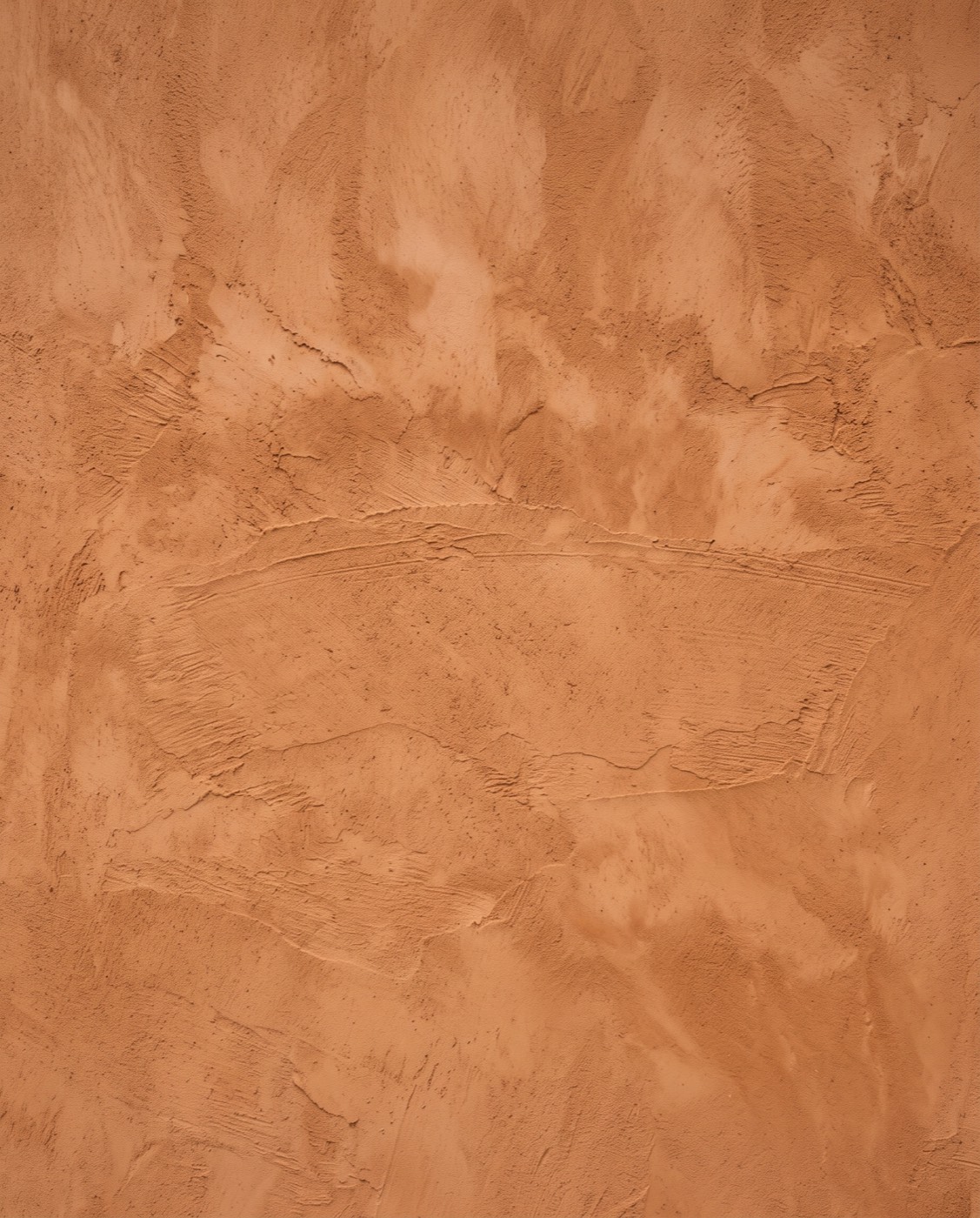
Wool White
Clay plaster is a thin wall finish based on natural lime, clay and beeswax, with mineral pigments. We work with the PANDOMO Clay system. The layer is 2 to 4 mm thick, fully vapour-permeable and contains no synthetic binders.
It passively regulates the humidity in the room: it absorbs excess moisture from the air and releases it when the air turns dry. It is scratch-resistant and easy to maintain, and it gives the room a more pleasant indoor climate.
The surface is soft and tactile, with subtle variation in tone. It is applied to walls and ceilings, over gypsum, concrete and existing painted surfaces. It also works in kitchens and bathrooms, with extra protection in areas in direct contact with water.
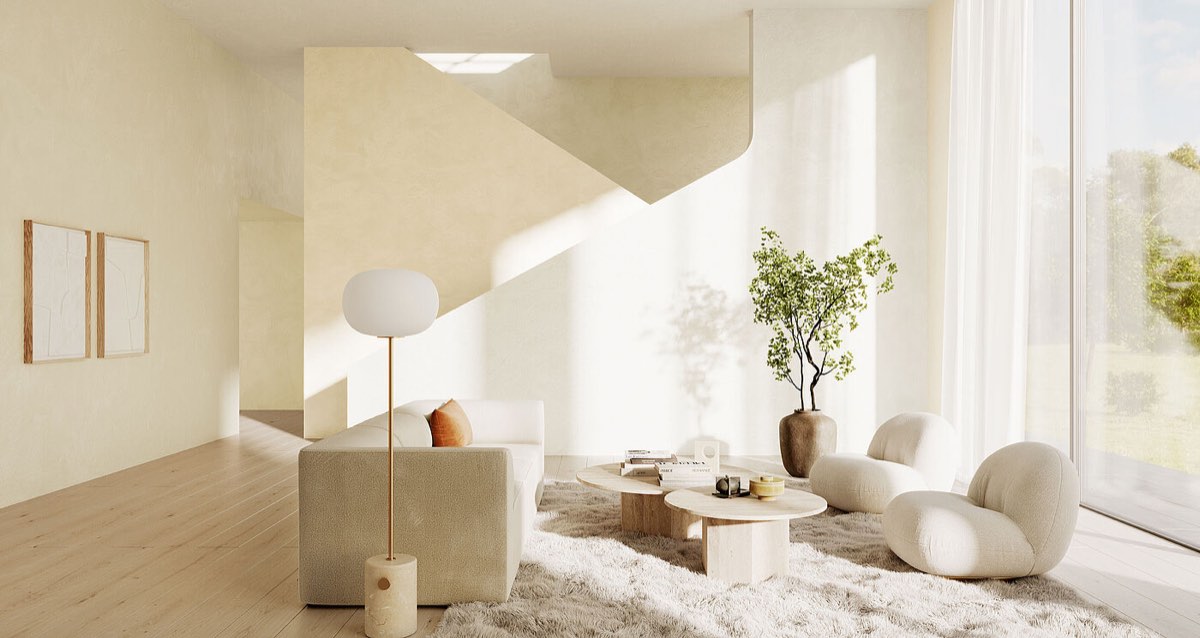
Clay plaster is used in these spaces, with the right protective topcoat and a properly prepared substrate.
A calm tone and quiet acoustics. Clay plaster as the backdrop to a bedroom.
Living rooms, libraries and dining rooms. A warm material, with no cold, glossy surfaces.
Spas, yoga studios and wellness spaces. A wall that absorbs moisture and releases it when the air turns dry.
Rooms and suites that call for a wall that clearly shows it was made by hand.
Eighteen named shades, from dusty whites through sandy tones, greys and blues to deep earthy tones, greens and violets. Each carries the visible marks of the trowel used to apply it by hand.
These are the original PANDOMO Clay textures. We apply the final sample to your wall, in the room's own light.
It all starts at your place, with an assessment of the space and the substrate. How long it takes depends on the floor area and on the condition of the substrate.
Tone samples on the wall, viewed under the room's natural and artificial light.
We level the base (gypsum, concrete or a painted surface) and prime it with an absorbent primer.
The first layer of clay is skimmed on thinly as an even base.
The second, final coat gives the texture: fine or pronounced trowel marks.
Clay plaster: answers to the questions we hear most often from clients and the designers behind their projects.
It is dry to the touch in 24 hours. Wait at least 48 hours before further work or any load. The exact time depends on the layer thickness and on the temperature and humidity in the room.
Yes, and that is where its humidity control matters most: clay absorbs excess moisture from the air and releases it when the air turns dry. Surfaces directly exposed to water, such as a shower, need extra protection or a different material. We assess this before application.
Yes, over gypsum, concrete and already painted surfaces, provided they are solid, dry and clean. Loose and damaged parts are removed first and the wall is prepared. The layer is 2 to 4 mm thick, so it does not change the dimensions of the room.
With a soft cloth or sponge and a mild detergent. No abrasive products or strong chemicals, because they damage the top layer. Local damage is filled in without a visible join.
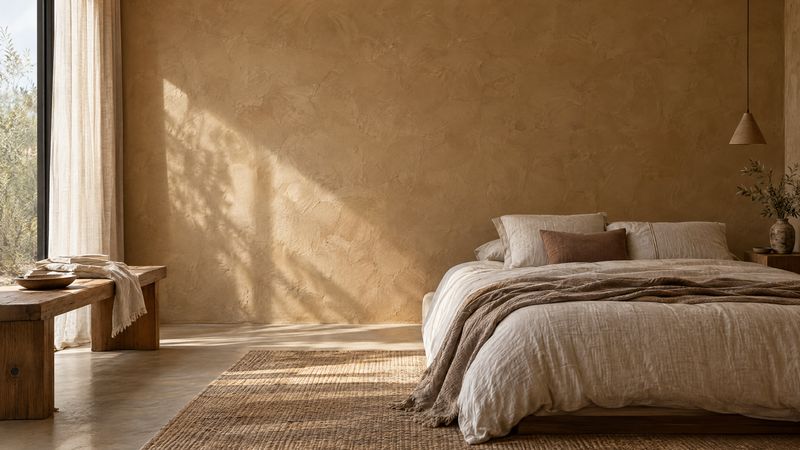 Decorative plaster, tadelakt or clay for walls, how to chooseHow Venetian plaster, tadelakt, clay plaster and microcement on walls differ. Where each one goes, how it is maintained and what to check before choosing.Read the article
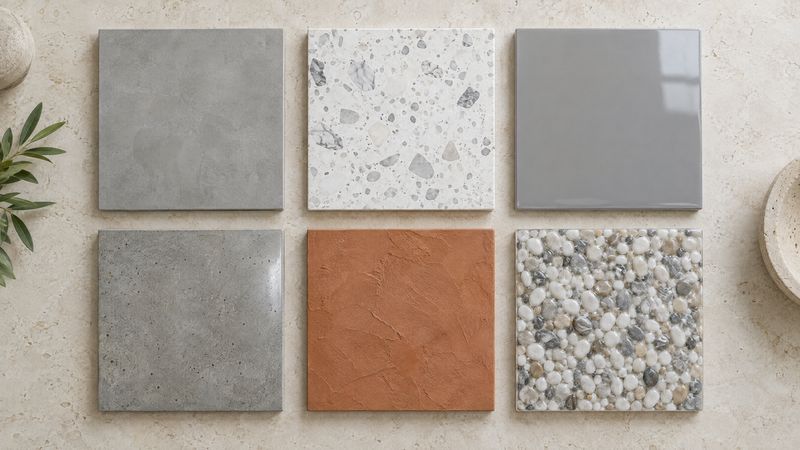 Microcement, epoxy or terrazzo? Types of flooring comparedMicrocement, epoxy, terrazzo, polished concrete, stone carpet and clay plaster compared in one table, and which type of flooring suits which room.Read the article
Your enquiry will be tagged for Clay plaster. We get back to you with an estimate and a suggested appointment to see the samples.
We follow the same process on every project, from a flat to an office building.